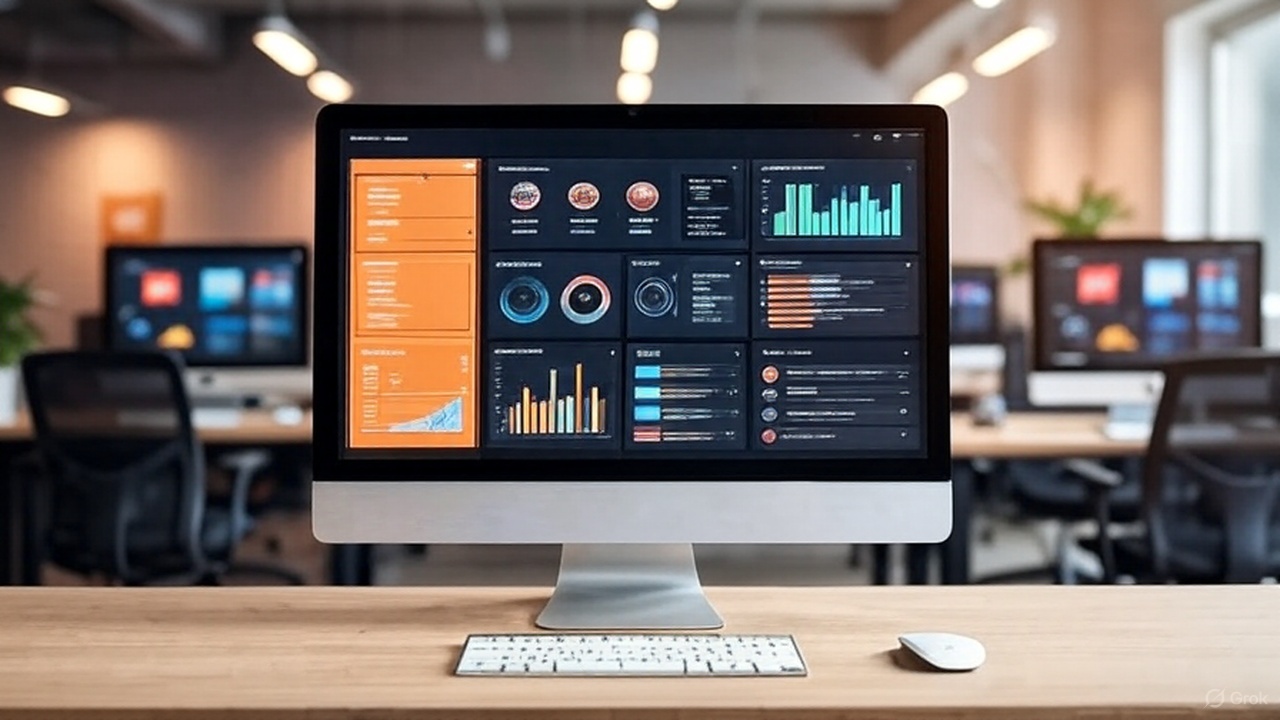
The digital landscape is evolving at breakneck speed, and user experience design is right at the forefront of this transformation. As we move into 2026, several emerging trends are reshaping how we approach interface design and user interaction. These aren’t just aesthetic shifts, they’re fundamental changes in how we think about building websites and digital products that genuinely work for people.
AI-Powered Personalisation
Artificial intelligence is no longer just a buzzword; it’s becoming deeply integrated into UX design. We’re seeing interfaces that adapt in real-time to individual user behaviours, preferences, and contexts. This goes beyond simple recommendation engines. Modern AI can adjust layouts, prioritise content, and even modify navigation structures based on how each visitor interacts with a site. The challenge for designers is implementing this personalisation without making sites feel creepy or overly complex to maintain. When done right, it creates experiences that feel intuitive and effortless.
Voice and Conversational Interfaces
Voice interaction has moved beyond smart speakers and is increasingly finding its place in web design. Users are becoming comfortable speaking to their devices, and this shift is influencing how we structure information and design interaction flows. The key here isn’t just about adding a voice assistant to every website—it’s about rethinking navigation and content hierarchy to support natural language queries. This trend demands that we write clearer microcopy and consider how content sounds when read aloud, not just how it looks on screen.
Immersive 3D and Spatial Design
WebGL and advanced CSS capabilities are enabling designers to create genuinely immersive 3D experiences directly in the browser without sacrificing performance. We’re not talking about flashy gimmicks that slow down load times, modern implementation techniques mean 3D elements can enhance storytelling and product visualisation whilst maintaining the snappy performance users expect. This trend particularly shines in e-commerce, where users can interact with products in three dimensions before purchasing, dramatically reducing return rates and increasing confidence.
Minimalism Meets Maximalism
There’s an interesting tension emerging between ultra-minimal, brutalist interfaces and rich, colourful, data-dense designs. Rather than one replacing the other, we’re seeing designers strategically combine both approaches. Clean, focused landing pages that guide users towards key actions, then transition into rich, information-dense dashboards when detailed data is needed. This contextual approach to information density respects both the need for clarity and the sophisticated requirements of professional users who want access to complex functionality.
Accessibility as Standard Practice
Accessibility is finally shifting from an afterthought to a foundational element of good design. New legislation and increased awareness mean that inclusive design isn’t just ethically right, it’s legally necessary and good for business. We’re seeing innovations in colour contrast tools, automated accessibility testing, and design systems built with ARIA landmarks and semantic HTML from the ground up. The best part? Accessible design typically results in better experiences for everyone, not just users with disabilities.
Micro-Interactions and Delightful Details
Subtle animations and micro-interactions are becoming more sophisticated and purposeful. These aren’t decorative flourishes, they’re communication tools that provide feedback, guide attention, and make interfaces feel responsive and alive. A well-timed loading animation or a smooth transition between states can be the difference between an interface that feels janky and one that feels professional and polished.
The Bottom Line
The future of UX design isn’t about chasing every trend that emerges. It’s about thoughtfully adopting innovations that genuinely improve user experience whilst maintaining the technical excellence and performance that users have come to expect. The most successful websites will be those that balance cutting-edge design with rock-solid fundamentals – fast load times, intuitive navigation, and clear communication.
As these trends continue to evolve, the core principle remains unchanged: put users first, test rigorously, and build websites that work brilliantly across all devices and contexts.